At Flight Training Network, flight training is designed around how aircraft are actually flown in the real world. Not confined to repetitive local patterns or rigid lesson scripts, our programs emphasize practical, scenario-based flying that gets you out of the practice area and into real destinations, airspace, and decision-making environments.
Students may begin with no prior experience or enter with existing certifications. Training progresses at a pace guided by proficiency, availability, and individual goals, with the option for steady, self-paced advancement or accelerated segments at select locations. Rather than training to a clock, FTN trains pilots to think, plan, and operate confidently in real flight conditions.
Whether you are taking your first discovery flight, earning your next certificate, or returning to aviation after time away, FTN provides a clear training pathway grounded in real-world operations. Each stage of training builds confidence, judgment, and proficiency through mission-focused instruction that mirrors how pilots truly fly.
This page outlines how each certificate fits into the overall training pathway, typical prerequisites and timelines, and the services and pricing available at each stage, all grounded in Flight Training Network’s commitment to real-world flying.
The Professional Pilot Pathway is FTN’s comprehensive training framework, connecting each certificate and rating into a cohesive plan rather than a series of disconnected courses.
Rather than treating training as individual milestones, FTN helps students understand how each phase builds toward the next.
While many students pursue this pathway with professional aviation careers in mind, the structure also supports recreational pilots and those seeking advanced ratings without airline ambitions.
Includes:
Includes:
Includes:
Housing is also available for other programs at $95 per day, including utilities and high-speed internet.
The Private Pilot Certificate is the foundation of all flight training. It teaches the core skills needed to safely and confidently operate an aircraft and is the first step toward recreational or professional flying.


Note: Most students will require additional flight time
The Instrument Rating allows pilots to fly in reduced visibility and complex weather conditions by relying on aircraft instruments. It is a critical milestone for safety-focused pilots and a required step for professional aviation careers.
Note: Most students will require additional flight time
The Commercial Pilot Certificate enables pilots to be compensated for flying and represents the transition from student pilot to professional aviator. Training emphasizes precision, advanced maneuvers, and professional standards.
Note: Most students will require additional flight time
Instructor training prepares pilots to teach and mentor others while building valuable flight experience. These certificates are commonly pursued by pilots building hours toward airline or advanced professional roles.
CFI:
CFII:
MEI:
All:
Note: Most students will require additional flight time
Includes:
Includes:
Includes:
Includes:
Includes:
Includes:
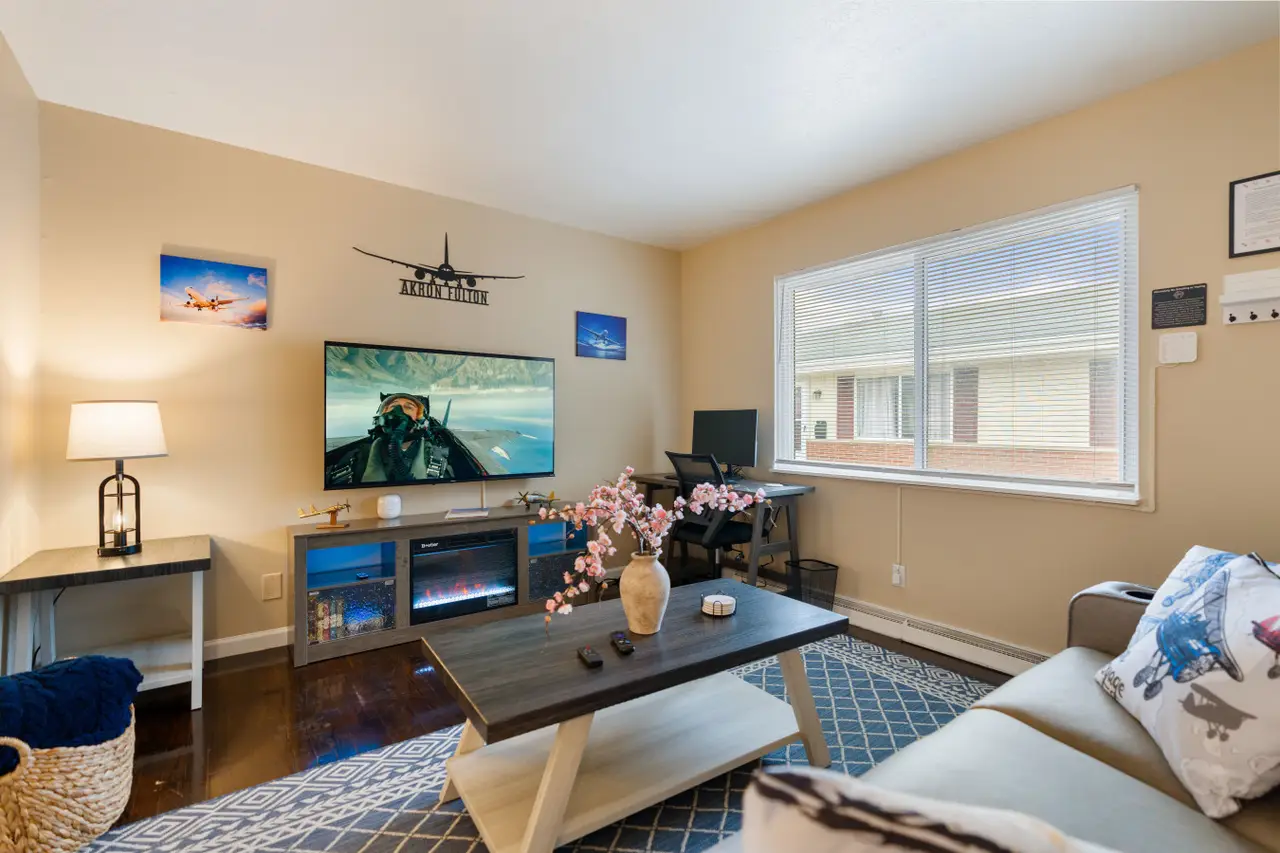
For many students, relocating for flight training is part of the journey. FTN offers housing options designed to make that transition simple and stress free.
Housing is included in the following programs:
For students enrolled in other training tracks, housing is available for $95 per day and includes all utilities and high speed internet.
This allows students to customize their training path while still having access to convenient, comfortable accommodations.
Our team can help you determine the right starting point and build a training plan that aligns with your goals.